Miami's Skyscraper Boom: Why the Skyline Keeps Climbing Higher
Miami is having its "wild west" moment — a skyscraper boom that has completely redrawn the city's skyline, with new towers battling for bragging rights almost every few months.
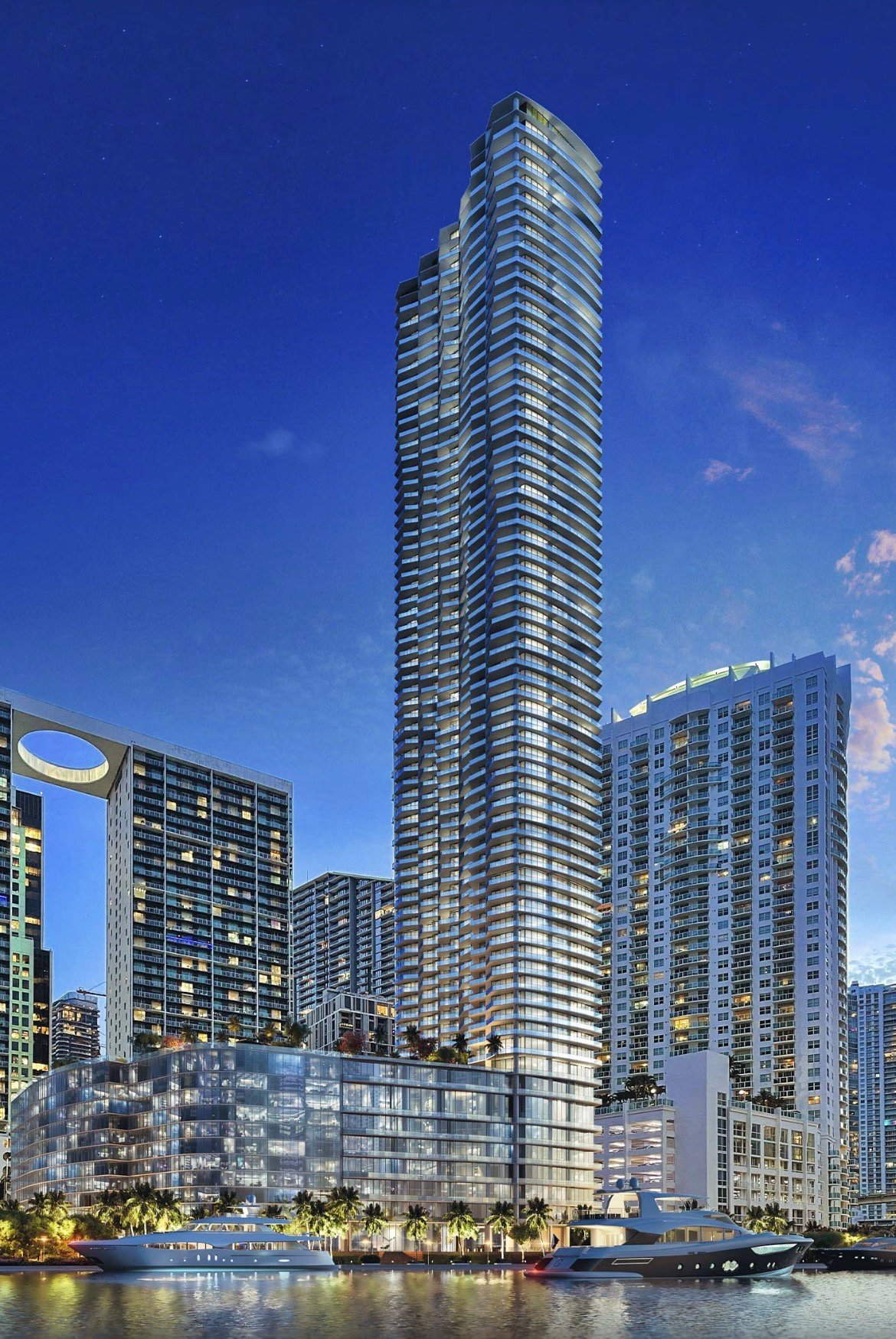
The current title-holder, Cipriani Residences in Brickell, has held the "tallest building in Miami" crown for just over two months after topping out at 950 feet. It won't hold it for long. The Waldorf Astoria Hotel & Residences Miami is on track to become the city's first supertall skyscraper at 1,049 feet, having already reached its 75th floor.
What's Driving the Boom
The trajectory traces back roughly a decade, when the FAA began approving Miami-area projects up to a new maximum height of 1,049 feet — effectively unlocking a new category of supertall construction that hadn't been possible before.
But height limits are only part of the story. Miami's combination of low taxes, a light regulatory and union environment, and status as a magnet for global wealth has turned the city into what developers increasingly treat as open territory for architectural ambition. Hospitality brands, automakers, and even fashion and estate names are now competing to attach themselves to luxury condo and hotel towers across the city.
The Towers Defining the Moment
- Cipriani Residences (Brickell): A three-tower, 950-foot luxury complex with wraparound terraces designed to evoke the Italian Riviera on Biscayne Bay.
- Waldorf Astoria Hotel & Residences Miami: Set to become Miami's first supertall skyscraper at 1,049 feet, already at its 75th floor.
- Delano Residences (Biscayne Boulevard): A 985-foot tower expected to complete by 2030, featuring the Southeast's first cantilevered observation deck.
- Citadel's new global headquarters: Ken Griffin's financial firm is building a new Miami base, part of the broader wave of institutional and financial capital anchoring itself in the city.
- Bentley Residences (Sunny Isles Beach): The tallest oceanfront building in the country, complete with a dedicated car elevator.
Can the City Keep Up?
It's a question that's been asked in Miami for decades, per urban studies expert Anthony Lejeune: can the city's infrastructure actually support this level of vertical growth? The honest answer is that nobody fully knows yet — but it hasn't slowed development. If anything, the city is preparing for a future built around it, with Florida already investing in vertiport infrastructure for flying taxis, and upcoming properties like Anantara Miami and The Residences at Shell Bay planning helipads of their own, following the precedent set by One Thousand Museum.
Why This Matters Beyond Brickell
Skyscraper booms tend to get covered as skyline spectacle, but the underlying dynamics are directly relevant if you're watching Miami real estate more broadly — including South Beach:
- Capital keeps flowing in. When brands across hospitality, automotive, and finance are competing to plant a flag in Miami, it reinforces the broader thesis behind the region's record pre-construction pipeline — the same trend behind projects like Bentley Residences, Aston Martin Residences, and now Mercedes-Benz Places.
- Brickell's growth doesn't happen in isolation. A downtown skyline defined by supertall, branded towers changes how the entire metro area — Miami Beach included — gets perceived by global buyers evaluating where to plant roots.
- Infrastructure questions are real, and worth watching. Whether the city's roads, transit, and services can keep pace with this density is an open question that could shape long-term livability and, eventually, value — not just downtown, but across neighborhoods that share the same infrastructure backbone.
The Takeaway
Miami's skyline isn't just changing — it's being actively contested, tower by tower, by some of the biggest names in luxury development. Whether or not the city's infrastructure fully catches up, the message from developers and capital is clear: they're betting big on Miami's future, and that bet extends well beyond Brickell's city limits.
At Max Mlekus Group, Keller Williams Miami Beach, we track these shifts closely because they shape how buyers should think about timing, location, and long-term value — not just in Brickell, but across South Beach and the surrounding market.
Want to talk through how Miami's skyline transformation connects to opportunities in South Beach and beyond? Reach out to Max Mlekus Group — happy to walk through what's happening across the market.