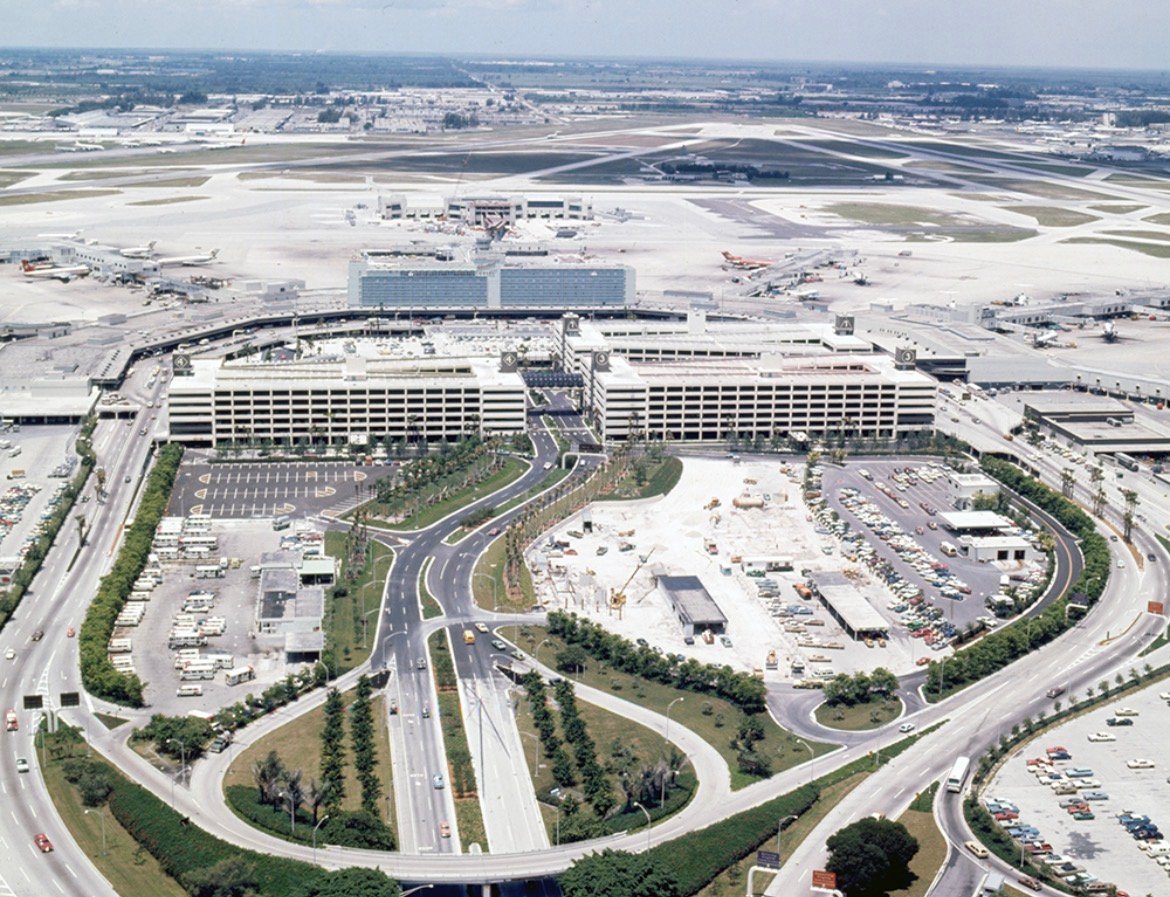
Miami International Airport’s $9 Billion Bet on the Future — and What It Means for Real Estate
Miami International Airport (MIA) just picked up a notable honor: it was named Best Airport in North America at the 2026 Asian Aviation awards. But the recognition is really a footnote to a much bigger story — a $9 to $14 billion modernization effort that’s reshaping one of the busiest international gateways in the country, with MIA on track to serve more than 77 million passengers a year by 2040.
For a city where real estate demand is closely tied to global connectivity, that kind of investment is worth paying attention to.
What’s Actually Being Built
• Gate D60 expansion: A $1 billion project with American Airlines will deliver 17 new gates and modernized boarding areas, funded entirely through MIA bonds. American already runs about 400 daily departures from MIA to 155 destinations and employs 15,500 people at the airport.
• New Concourse K: Scheduled to open in 2029, adding further capacity as passenger volume climbs.
• Systemwide upgrades: Passenger loading bridges, restrooms, and elevators/escalators are being renovated in phases over the next five to seven years under the airport’s “Modernization in Action” plan.
• More than 200 projects are underway as part of the broader $9 billion capital improvement program, alongside a $1 billion Ibis Garage that opened in December.
Why MIA Is Running Out of Room
The scale of this investment isn’t just ambition — it’s necessity. MIA is currently operating at around .
1. Global access drives global buyers. Miami’s position as a primary gateway to Latin America and the Caribbean is a big part of why the city attracts homebuyers from more than 40 countries. Expanded capacity and more international routes reinforce that pipeline rather than let it plateau.
2. Connectivity supports the short-term rental and second-home market. More flights and smoother operations make Miami an easier city to fly into for a weekend, a season, or a permanent move — which matters directly to owners renting out condos near the beach or Brickell.
3. Sustained capital investment signals long-term confidence. A $9 billion, multi-year infrastructure commitment from Miami-Dade County is the kind of signal that tends to run alongside — not against — the same growth story driving the region’s record pre-construction pipeline and continued interest from institutional developers.
The Takeaway
None of this changes what a property is worth today. But a market’s long-term trajectory is built on exactly this kind of unglamorous, multi-year infrastructure investment — the kind that keeps a global city functioning as it grows. MIA’s expansion is one more data point supporting the same thesis behind Miami’s real estate momentum: this is a city built for sustained global demand, not just a moment in the spotlight.
Curious how Miami’s growth story — from infrastructure to new development — fits into your buying or investment strategy? Reach out to talk through what’s happening across South Beach and beyond.